
Do You Need an OSHA 300A with Zero Cases?
Picture this: a calendar year passes at your workplace without a single recordable injury or illness. Employees clock in, work diligently, and head home safely every day. The safety log sits untouched, a testament to effective training and vigilance. Yet, as January rolls around, a quiet question lingers: does a perfect safety record mean you can skip the OSHA 300A annual summary?
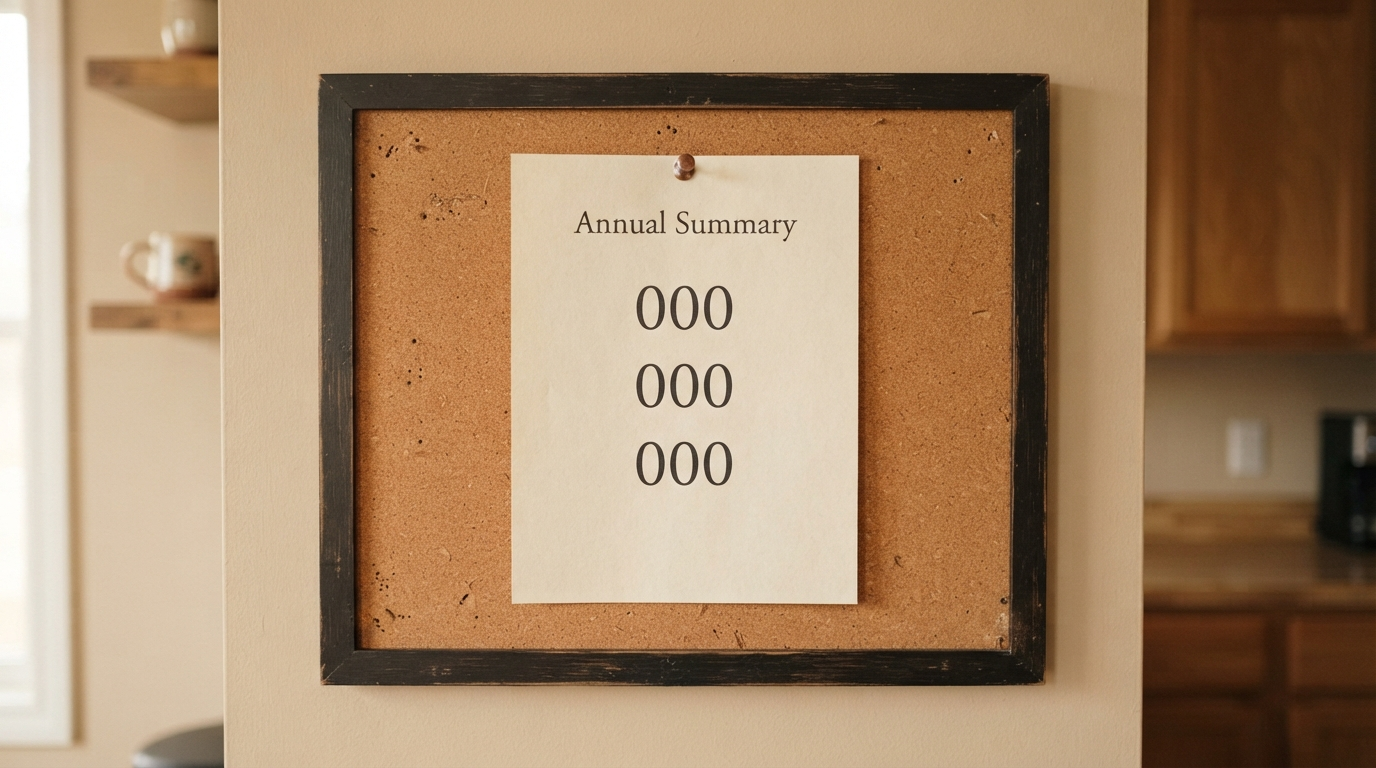
The answer, for many establishments, is no. If your business is covered under OSHA's Part 1904 recordkeeping rules and maintains a Form 300 Log, you must still complete, certify, and post the OSHA 300A Summary—even with OSHA 300A zero cases. Federal regulation 29 CFR 1904.32(b)(2)(i) requires entering zeros in each column total when no recordable cases occurred. OSHA's own FAQ 32-2 reinforces this: a blank year does not erase the annual summary duty.
This holds true only for covered establishments. Partial exemptions based on company size or industry can change the equation. A quiet year simplifies the process but does not cancel it. Let's break it down step by step, starting with who must participate.
Who Must Keep OSHA Injury and Illness Records?
OSHA recordkeeping applies to establishments covered by the Occupational Safety and Health Act. Coverage hinges on two main factors: company size and industry classification.
Size-Based Partial Exemption
Under 29 CFR 1904.1, if your company had 10 or fewer employees at all times during the previous calendar year, you generally do not need to keep OSHA injury and illness records. Size is measured company-wide, based on peak employment, not per site. This exemption covers the routine Forms 300, 300A, and 301.
However, all employers under the OSH Act must report severe incidents—fatalities, in-patient hospitalizations, amputations, or losses of an eye—within strict timelines per 1904.39. A size exemption does not waive these reporting duties.
Industry-Based Partial Exemption
Certain low-hazard industries listed in Appendix A to Subpart B of Part 1904 are partially exempt from routine recordkeeping (29 CFR 1904.2). This applies at the establishment level, so a multi-site company might keep records at some locations but not others.
Exemptions end if OSHA or the Bureau of Labor Statistics (BLS) notifies you in writing to participate. For the latest lists, check osha.gov. If your establishment falls into a covered category, proceed to the annual summary, zeros or not.
Unsure about coverage? Review OSHA recordkeeping requirements for small business or consult current guidance.
Filling Out the 300A When Your Log Shows Zero Cases
For covered establishments, the Form 300A remains mandatory. Review your Form 300 Log for the year. With no recordable cases, the path forward is straightforward.
Per 1904.32(b)(2), enter:
- Calendar year (e.g., 2026).
- Company name.
- Establishment name and address.
- Annual average number of employees, calculated as total employees divided by the number of months with employees, or a reasonable estimate.
- Total hours worked by all employees that year.
- Zeros in each column total on the summary lines.
Headcount and hours matter even with OSHA 300A zero cases. They provide context for your safety performance. No cases mean no entries above the totals, keeping the form clean and simple.
A well-maintained Form 300 Log makes this effortless. Totals pull directly from its pages, confirming the zeros before certification.
Certifying the Annual Summary
Certification adds an official layer. An authorized company executive must review the summary and sign it (29 CFR 1904.32(b)(3)–(4)). Eligible signers include:
- The owner of a sole proprietorship or partnership.
- An officer of the corporation.
- The highest-ranking company official working at the establishment.
- That official's immediate supervisor.
The signer attests that the information is correct and complete. For multi-establishment companies, certify each site's 300A separately. Electronic signatures are acceptable if they meet standard practices.
Posting the 300A: Timing, Location, and Rules
Posting informs employees of your safety record. For covered establishments, display the certified 300A no later than February 1 of the year following the data year, and keep it up until April 30 (1904.32(b)(6)).
Example: For 2026 records, post from February 1 through April 30, 2027. This window recurs annually—always February 1 to April 30.
Choose a conspicuous place where notices are customarily posted, like break rooms or bulletin boards. Do not alter, deface, or obscure it. Multilingual postings may be needed in areas with non-English speakers.
Details on exact dates, locations, and takedown rules appear in our OSHA 300A posting requirements guide.
How a Form 300 Log Streamlines Your Summary
Keeping the year's Form 300 entries in one organized place pays dividends come summary time. For zero-case years, verifying empty lines and transferring totals takes minutes, not hours of hunting.
This practice ensures accuracy without starting from scratch. It also builds a record for audits or BLS surveys. FORM 300 LOGBOOK supports covered establishments by centralizing logs into summaries, though it never determines coverage or submits to OSHA.
A single, saved log becomes the foundation for compliance.
A Note on Electronic Submission
Injury Tracking Application (ITA) electronic submission is a distinct requirement with its own criteria, often tied to larger sizes or specific industries. It does not replace posting and applies separately. FORM 300 LOGBOOK does not handle submissions. Focus here remains on recordkeeping and posting.
January Checklist for Covered Establishments with No Cases
Beat the February 1 deadline with this practical list:
- Confirm coverage: Check employee count and industry against exemptions.
- Review 2026 Form 300 Log (or prior year) for any overlooked cases.
- Calculate annual average employees and total hours worked.
- Complete Form 300A: Enter year, names, address, averages, hours, and zeros.
- Have an authorized executive certify it.
- Print or prepare for posting by February 1.
- Plan the display location.
Completing these steps early leaves room for questions or revisions.
Final Thoughts on Compliance
Zero cases celebrate strong safety culture, yet paperwork underscores commitment. This guidance draws from 29 CFR 1904.1, 1904.2, 1904.32, and OSHA FAQ 32-2. Coverage varies by employee numbers, industry, and updates—always verify at osha.gov. This is not legal advice; consult professionals for your situation.
In a world of shifting priorities, routine compliance builds resilience. A posted 300A, even with zeros, signals transparency to your team.
Routine compliance builds resilience.
Ready to organize? Open the recordkeeping workspace at FORM 300 LOGBOOK. It turns saved logs into structured summaries for covered establishments—without deciding coverage or filing data.